
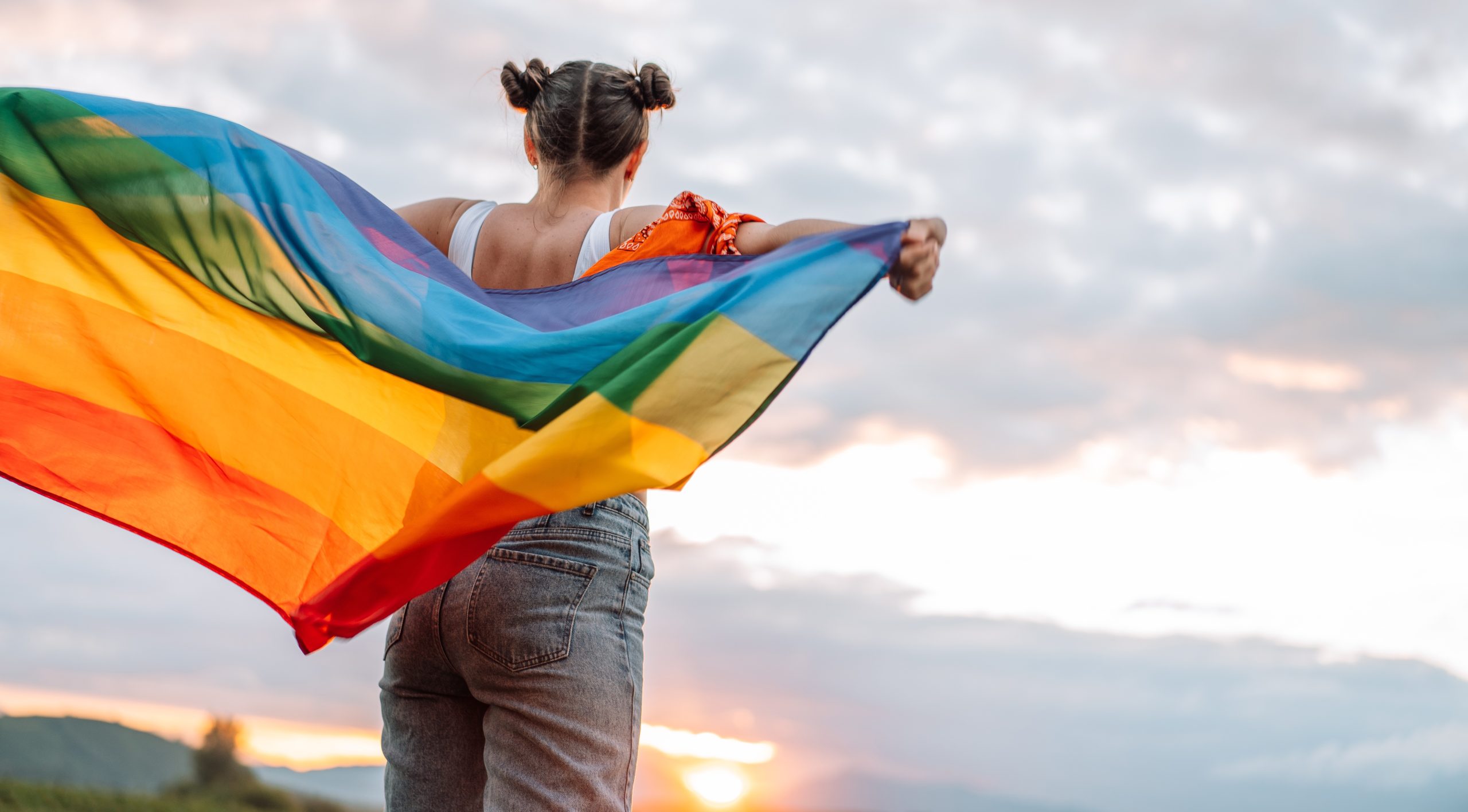
June is recognized as Pride Month in the United States, honoring and celebrating the LGBTQ+ community. While the month aims to foster positivity, visibility, and acceptance, it is also a time to bring awareness to the challenges that many LGBTQ+ people continue to face.
Experiences such as discrimination, harassment, rejection, and isolation can significantly affect mental health. Members of the LGBTQ+ community are more likely to experience mental health concerns than those who are heterosexual and cisgender, including higher rates of depression, anxiety, suicidality, and substance use concerns.
How Pride Can Help LGBTQ+ Mental Health
Pride Month is important for LGBTQ+ mental health because it highlights the community’s history, contributions, progress, and ongoing struggles. By educating people on what the LGBTQ+ community has gone through and continues to face, Pride can inspire more people to be part of meaningful change. This includes advocating for better mental health support and more affirming care.
Pride can also give LGBTQ+ community members a stronger sense of belonging. The ongoing conversations, celebrations, and visibility can remind people that they are not alone. Pride emphasizes that each person’s unique identity is worth celebrating, not hiding or feeling ashamed of.
Overall, Pride can help reduce stigma, strengthen connection, and support the mental health and wellbeing of LGBTQ+ individuals.
Barriers to Mental Health Treatment
Pride Month also acknowledges the numerous factors that can prevent members of the LGBTQ+ community from accessing the mental health care they need. One barrier includes being uninsured or underinsured for healthcare. Additionally, LGBTQ+ youth may experience a lack of family support, which can prevent them from receiving the specific care and support they need.
Even when LGBTQ+ adults and youth have access to healthcare, they may still experience worries related to finding the right mental health professional, such as:
• Fear of discrimination after disclosing gender identity and/or sexual orientation
• Inadequate support due to a lack of knowledge or consideration of LGBTQ+ identities during treatment
• Concerns about confidentiality, especially if aspects of their identity are private
Pride Month is a time to spread awareness of these barriers and concerns with the intention of increasing knowledge, changing attitudes, and finding solutions.
Holistic Therapy for the LGBTQ+ Community
Holistic therapy is an approach to therapy that treats the whole person, rather than viewing symptoms as separate from the person’s life, identity, relationships, body, and experiences.
LGBTQ+ people are often part of other communities that may also experience discrimination or marginalization. These intersecting identities can impact mental and emotional wellbeing. Holistic therapy considers the many parts of a person’s identity, including sexual orientation, gender identity, culture, family history, relationships, spirituality, and lived experiences.
This approach recognizes the intersectionality of these identities and the influence they may have on mental health, emotional wellbeing, and one’s sense of safety and belonging.
When seeking mental health counseling in Minneapolis as an LGBTQ+ individual, holistic and affirming therapy can be a good fit because it creates space for you to honor your full self and receive support that recognizes all parts of who you are.
Begin Your Journey
If Pride Month has you reflecting on your identity, relationships, mental health, or need for support, we welcome you.
At Life and Light, we believe healing happens through connection, inclusivity, and care for the whole person—mind, body, and spirit.
Visit www.lifelightmn.com to learn more.